Studio
Short videos and a 24/7 live channel, scripted and rendered on your own GPU.
- Linux
- NVIDIA GPU
- YouTube API
What it does
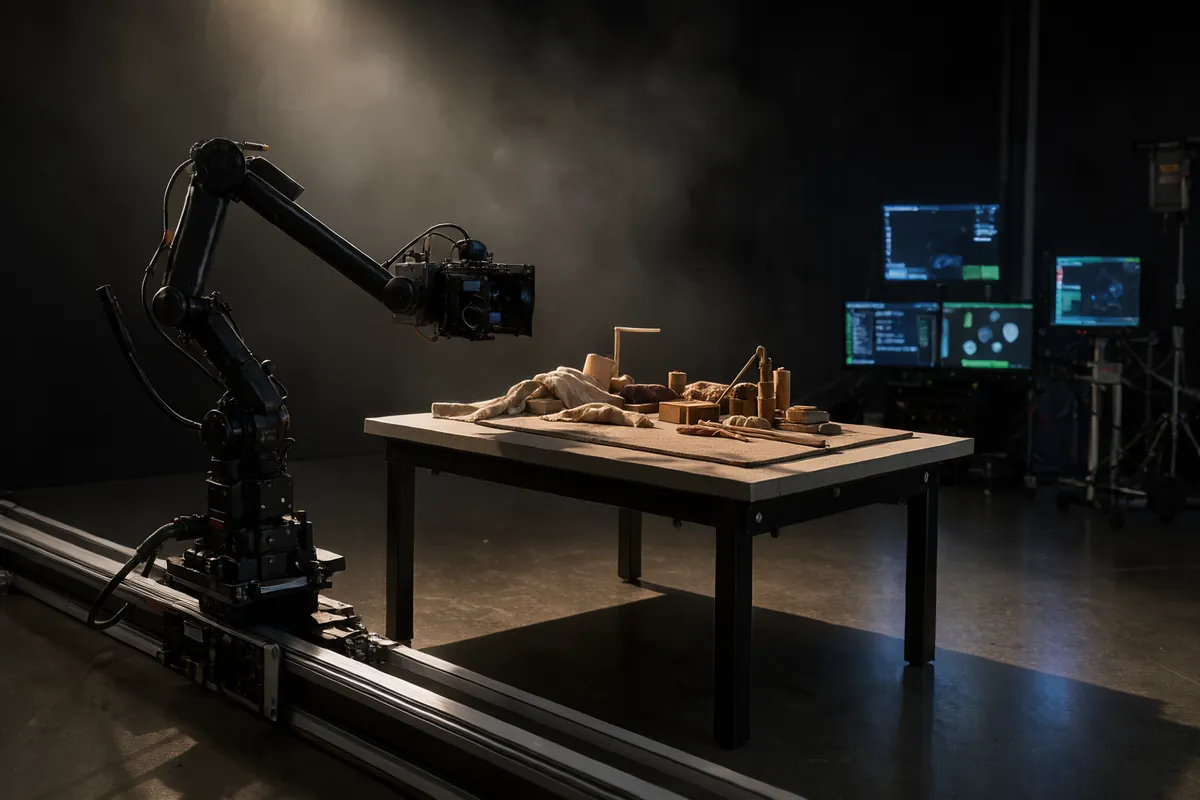
Studio is the video line of our floor: it writes a short script, draws keyframes, animates them, records a voice, burns in captions and renders the result on the GPU, then prepares the title, description, hashtags and thumbnail. A second pipeline keeps a live channel on air around the clock.
- Script to finished video. A pipeline of local models with a quality gate between every stage: a frame that warps or invents text is redrawn before it costs render time.
- Packaging that gets clicks. Titles, descriptions, hashtags and thumbnails generated per video, in the languages you publish in.
- Live, around the clock. A 24/7 stream pipeline with NVENC encoding, automatic restarts and a playlist that keeps itself fresh.
- Uploads through official APIs. Scheduled uploads through the YouTube Data API at the pace you set, with publish-time rules from our own measurements.
What is inside
Render pipeline
Script, keyframe, motion, voice, caption and render stages with per-stage checks.
Packaging
Title, description, hashtag and thumbnail generators.
Live stream
The 24/7 stream runner with GPU encoding and a watchdog.
Publisher
Scheduler and uploader for official platform APIs, with quotas tracked.
Requirements
- Linux with an NVIDIA GPU; 24 GB of memory or more, and more for the video models.
- ffmpeg with NVENC.
- API credentials for the platforms you upload to.
Good to know
- Platforms remove channels that post repetitive, mass-produced content. Quality and pace are your responsibility; the defaults publish slowly.
- Model weights are not included. The setup script fetches the image, video and voice models you choose under their own licences, some of which limit commercial use.
Questions
Does it post to TikTok and Instagram too?
The publisher uploads through official APIs where the platform grants access. For other channels it prepares the files and captions for you to post.
How long does one video take?
It depends heavily on your GPU and on the video model you choose. Fully generated motion is slow; image-and-motion shorts are much faster. The pipeline logs the render time of every stage, so you can pick the trade-off with real numbers.
Updated: